



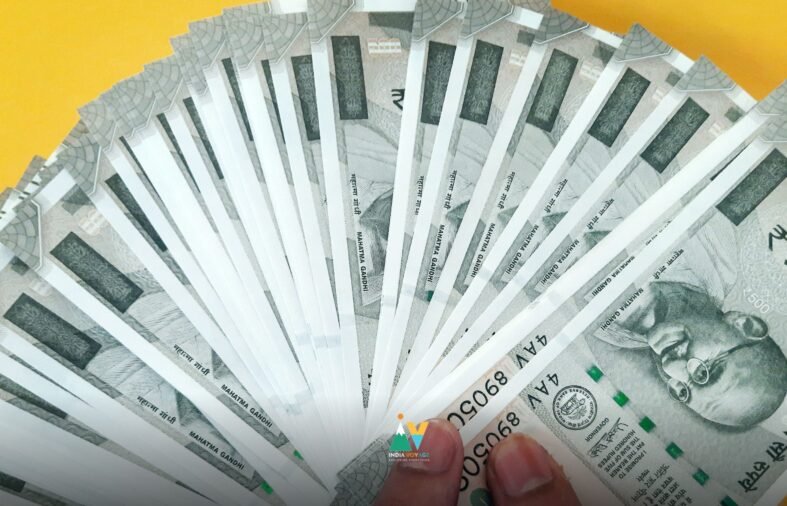

Current Exchange Rate Snapshot (January 22, 2026)
As we write this article today, the Indian rupee is trading at around ₹91.5–₹91.7 per US dollar—recently hitting new record lows with the currency weakening past the 91 mark in multiple sessions.
This represents a notable shift from earlier this year, when the rupee hovered closer to ₹89–₹90 per dollar, illustrating ongoing downward pressure on India’s currency.
A Long-Term Look: How the Rupee Has Depreciated Over the Decades
The Indian rupee’s journey against the US dollar reflects long-term economic evolution, including structural reforms, global events, and changing monetary policies.
Here’s a snapshot of how ₹1 has changed in value against $1 USD over time:
| Year | Approx. USD = ₹INR |
|---|---|
| 1947 | ₹3.30 |
| 1966 | ₹7.50 |
| 1991 | ₹22.74 |
| 2000 | ₹44.94 |
| 2013 | ₹56.57 |
| 2020 | ₹76.38 |
| 2025 | ~₹85-₹90 |
| 2026 | ~₹91.5–₹91.7 |
From just over ₹3 per dollar in 1947 to over ₹91 today, the rupee has steadily lost purchasing power relative to the US dollar over the past eight decades.
Why Is the Rupee Weakening?
1. Global Demand for the Dollar
The US dollar is the world’s dominant reserve currency. During times of global uncertainty or market stress, investors flee to safe-haven assets like the dollar, strengthening it against emerging market currencies like the rupee.
In recent sessions, strong demand from importers and foreign investors moving money out of Indian markets has amplified this effect.
2. Foreign Capital Outflows
Foreign institutional investors (FIIs) have been selling Indian stocks and bonds, repatriating capital. This selling increases demand for US dollars while reducing demand for rupees, exerting downward pressure on INR.
In 2026 so far, foreign investors have sold significant amounts in the Indian market, pushing the INR toward new lows.
3. Trade and Import Pressures
India imports a large amount of goods like crude oil, metals, and technology products, which require payment in dollars. A high import bill increases demand for the dollar, contributing to rupee depreciation.
When importers hedge or buy dollars heavily, this pushes the rupee lower.
4. Monetary Policy and Interest Rate Differentials
Interest rate differences between the United States and India influence currency flows. Higher returns or lower risk abroad can attract capital to USD assets, strengthening the dollar relative to the rupee.
The Reserve Bank of India (RBI) also allows a market-determined exchange rate, meaning it does not strictly defend a fixed level, and depreciation can reflect underlying economic trends.
What It Means for the Economy and Consumers
Imported goods and services become more expensive when the rupee weakens. This can include electronics, fuel, foreign travel, education abroad, and even some medicine prices.
At the same time, India’s exporters can benefit because they earn more rupees for each dollar of foreign revenue, which can support profits and output.
However, a weak rupee can also feed into inflation if import-related costs filter down into consumer prices.
Today’s rate — around ₹91.5–₹91.7 per dollar — reflects both short-term pressures and long-term economic shifts. Over decades, the rupee has lost considerable value against the greenback, moving from just ₹3.30 per dollar at India’s independence to over ₹90 today.
This trend is shaped by global currency dynamics, capital flows, India’s trade structure, and broader economic conditions — all of which will continue to influence exchange rates in the months and years ahead.
Leave A Reply