



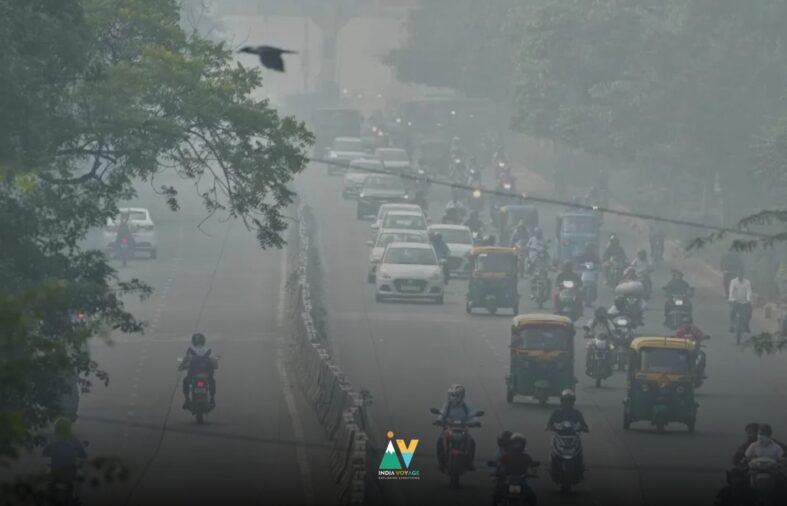

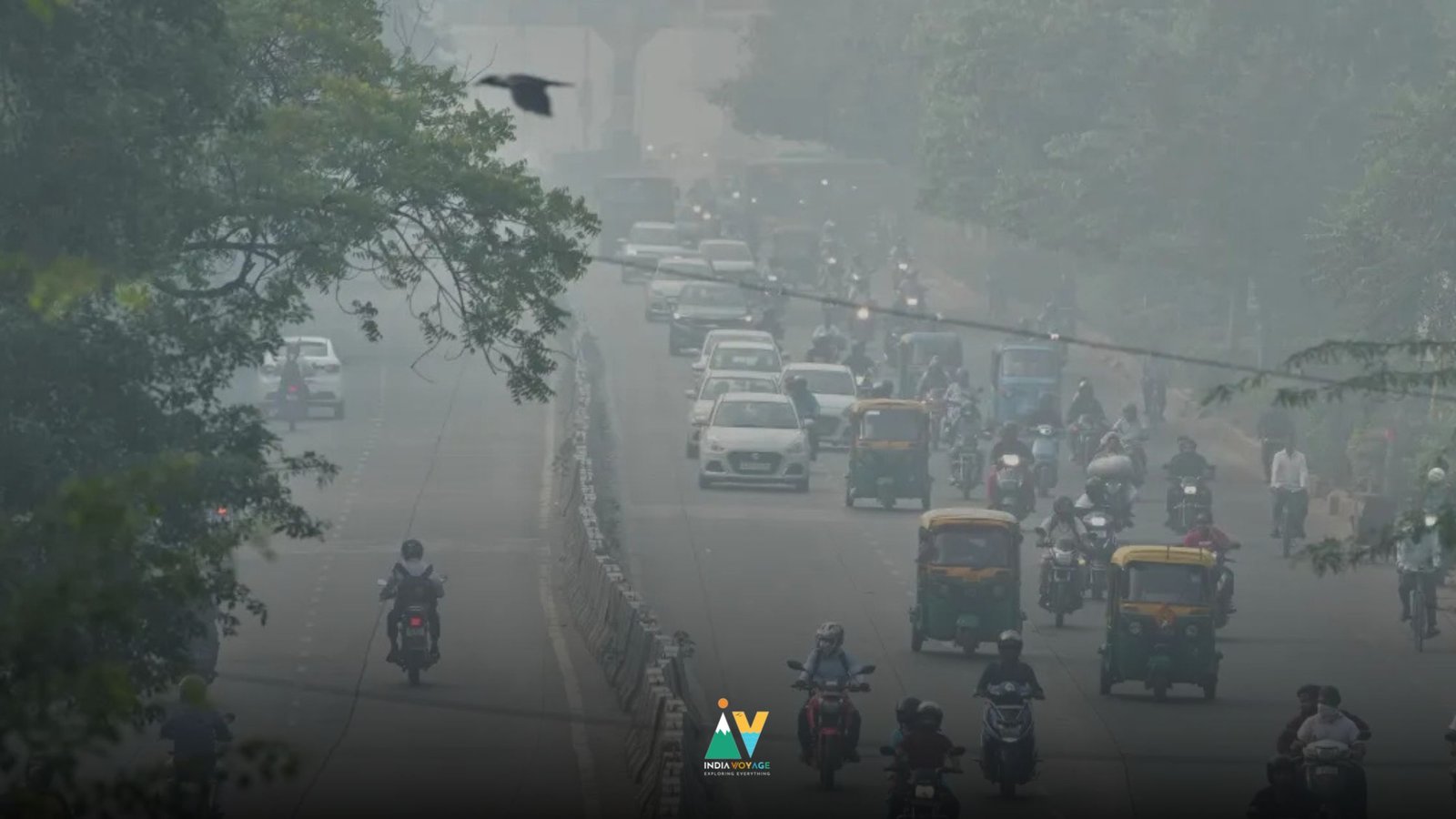
Air Quality Index (AQI) is a numerical scale that measures how clean or polluted the air is and how it impacts human health. On this scale, an AQI between 0 and 50 is considered good, meaning the air poses little or no risk and is safe for outdoor activities. An AQI of 100 is the upper limit of acceptable air quality, beyond which sensitive groups begin to experience discomfort. However, when AQI crosses 300, it enters the severe category—air that is hazardous even for healthy individuals.
The Current AQI Situation in Delhi
Over the past five years, Delhi has consistently remained far beyond this safe threshold. Seasonal averages during peak pollution months have frequently stayed between 300 and 400, with multiple instances where AQI levels surged past 450 and even approached 500 in certain areas. These numbers are not occasional spikes anymore; they have become a recurring pattern, especially during winter. In comparison, the World Health Organization considers long-term exposure above 100 to be dangerous, highlighting how extreme Delhi’s situation truly is.
To understand the scale of this crisis, it helps to look at history. Beijing, before its aggressive clean-air reforms, recorded AQI levels exceeding 400–500 during its worst smog years in the early 2010s—conditions strikingly similar to what Delhi experiences today. London, during its infamous smog era in the 1950s, faced pollution levels so severe that visibility dropped to near zero and public health emergencies followed, leading to AQI-equivalent conditions well into the hazardous range by today’s standards. Both cities were once symbols of polluted air, yet both managed to reverse the damage through long-term policy action and public cooperation.
How Other Cities Have Successfully Cured Severe Air Pollution
Delhi’s situation may seem grim, but history shows that recovery is possible. Beijing once struggled with dangerously high AQI levels similar to Delhi’s current condition. Through decisive government action—shutting down coal-based power plants, regulating industrial emissions, restricting vehicle usage, and investing heavily in clean energy—combined with public cooperation, the city significantly improved its air quality within a decade. Severe pollution days reduced drastically, proving that firm policies supported by citizens can deliver results.
London’s transformation offers another strong example. In the mid-20th century, the city was choked by coal smoke, leading to deadly smog incidents. The introduction of strict Clean Air laws, bans on coal usage, and gradual lifestyle changes among citizens led to a dramatic improvement over time. Similarly, Los Angeles, once labeled the smog capital of the world, improved its air through vehicle emission controls, cleaner fuels, and technological innovation, supported by public compliance.
Can Delhi Replicate These Success Stories?
Yes, Delhi can improve its air quality, but it requires long-term commitment rather than short-term fixes. Authorities must enforce pollution control laws consistently, regulate construction and industrial emissions, improve public transport, and coordinate with neighboring states since pollution sources extend beyond city boundaries. Citizens also have a crucial role to play by reducing private vehicle usage, avoiding waste burning, supporting clean energy initiatives, and accepting stricter regulations even when inconvenient.
The Way Forward
Delhi’s air pollution crisis is severe, but it is not irreversible. Cities across the world have proven that polluted skies can be cleared through sustained policy action and responsible public participation. With patience, discipline, and collective intent, Delhi too can move toward cleaner air and healthier lives.
Leave A Reply