



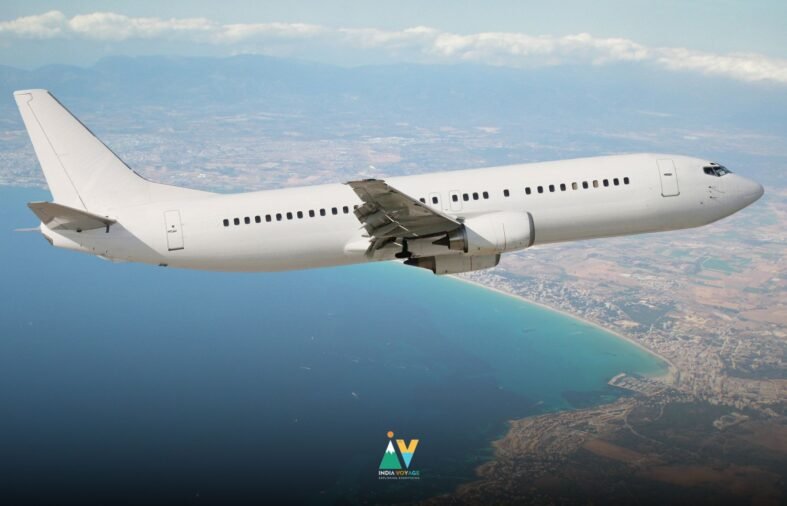

India’s skies rarely fall silent, but over the past few weeks, something unusual began unfolding across the country’s airports. Screens flickered with delays, boarding announcements were reversed without explanation, and passengers waited—sometimes for hours—only to be told their flights would not take off at all. At the centre of this disruption stood IndiGo Airlines, the country’s largest carrier and, until recently, one of its most dependable. What unfolded was not a sudden accident or a one-day glitch, but a slow-burn crisis caused by the collision of regulatory change and fragile operational planning. The trigger was the full enforcement of revised Flight Duty Time Limitation rules by India’s aviation regulator, aimed at reducing pilot fatigue and improving flight safety. These rules restricted how long pilots could work, mandated longer rest periods, and placed tighter limits on night flying. The intent was necessary and overdue, but when the rules finally came into force, IndiGo found itself unprepared to absorb the impact. For years, the airline had operated on an extremely lean model, stretching crew schedules and maximising aircraft usage to keep fares low and networks wide. That efficiency, which once powered its growth, now left it exposed. As pilots became unavailable under the new legal limits, flight rosters collapsed almost overnight. Aircraft were ready, routes were scheduled, tickets were sold—but there simply weren’t enough pilots who could fly without violating the new regulations. Cancellations followed in waves, often announced at the last minute, catching travellers off guard and overwhelming customer support systems. With IndiGo commanding a dominant share of India’s domestic market, other airlines were unable to absorb the displaced passengers, and ticket prices on remaining flights soared. Airports grew congested, tempers flared, and confusion became the norm. Eventually, regulators stepped in and instructed the airline to temporarily scale down operations in an effort to stabilise the chaos, but by then the disruption had already travelled far beyond individual flights. The financial cost to IndiGo ran into hundreds of crores in refunds and compensation, but the deeper damage lay in the erosion of trust. The crisis also revealed a larger structural weakness in Indian aviation—when one airline carries a majority of the nation’s passengers, its failure quickly becomes a public crisis rather than a corporate one. While safety reforms must never be compromised, the episode raised serious questions about preparedness, accountability, and whether aggressive cost efficiency had been allowed to outrun resilience.
When Real Lives Were Disrupted
Behind the statistics and cancelled flight numbers were people whose plans unravelled in painful ways. Families travelling across the country for weddings found themselves stranded after last-minute cancellations, arriving days late or missing ceremonies entirely, with no flights available and hotel bookings rendered useless. Some spent hours at airports with elderly parents and young children, only to return home exhausted and disappointed. Passengers travelling for medical treatment faced even harsher consequences, as delayed arrivals forced the postponement of procedures, adding emotional strain to already difficult circumstances. Students heading for important exams and professionals travelling for job interviews saw months of preparation undone by a single cancellation notification that arrived too late to arrange alternatives.
Many were forced to sleep at airports, pay inflated rates for emergency accommodation, or spend large sums on last-minute transport, with little clarity on reimbursements. For first-time flyers and elderly travellers, the lack of information and assistance made the experience especially distressing. These were not isolated inconveniences but moments where people felt helpless, unheard, and abandoned by a system they trusted. The IndiGo crisis, in the end, was not merely about pilots, rules, or schedules. It was about how quickly modern systems break when stretched too thin, and how the cost of that breakdown is almost always paid by ordinary people. While the airline will rebuild its operations and the industry will move forward, the memory of missed weddings, delayed treatments, and sleepless nights at terminals will linger as a reminder that efficiency means little without empathy, and growth means nothing without preparedness.
Leave A Reply