




by: Pritesh Khare
For decades, energy conversations in India have revolved around coal, oil, gas, and more recently, solar and electric vehicles. But quietly—and now decisively—green hydrogen has entered the national spotlight. It is being described as the fuel of the future, a game-changer for Indian industry, and a key pillar of India’s net-zero ambitions.
So what exactly is green hydrogen, and why is India investing so heavily in it?
Understanding Green Hydrogen in Simple Terms
Hydrogen is not a source of energy by itself; it is an energy carrier, much like electricity. The way hydrogen is produced determines how clean or polluting it is.
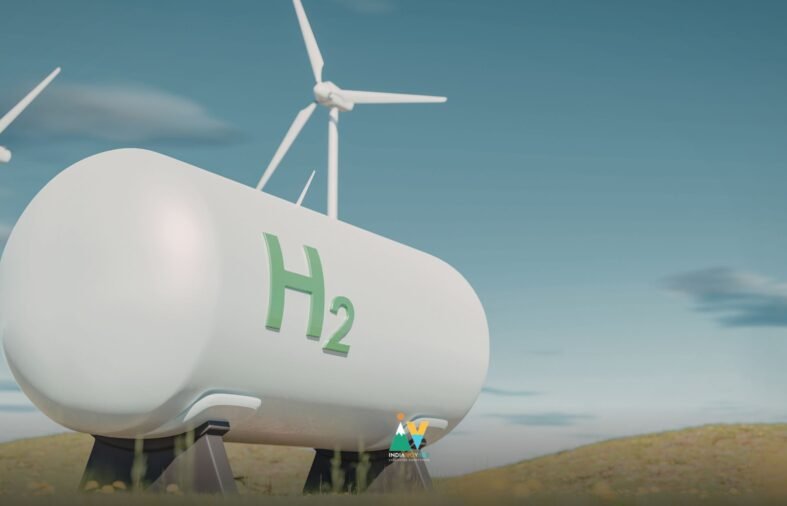
Green hydrogen is produced by splitting water (H₂O) into hydrogen and oxygen using electricity generated from renewable sources such as solar or wind. This process is called electrolysis.
- Input: Water + renewable electricity
- Output: Hydrogen (usable fuel) + Oxygen
- Carbon emissions: Zero
This makes green hydrogen fundamentally different from conventional hydrogen, which is typically produced using natural gas and releases carbon dioxide in the process.
Why the World Needs Hydrogen at All
While electricity works well for homes, offices, and small vehicles, it struggles in sectors that require extremely high energy or long-duration storage.
Examples include:
- Steel manufacturing
- Fertiliser production
- Cement plants
- Long-haul trucking
- Shipping and aviation
- Seasonal energy storage for power grids
Hydrogen can be burned, stored, or converted into electricity without emitting carbon dioxide, making it one of the few viable solutions for decarbonising these “hard-to-abate” sectors.
Why India Is Betting Big on Green Hydrogen
1. Reducing Dependence on Energy Imports
India imports the majority of its crude oil and a significant portion of its natural gas. This dependence:
- Strains foreign exchange reserves
- Exposes the economy to global price shocks
- Increases vulnerability during geopolitical conflicts
Green hydrogen offers a pathway to domestic energy production using India’s own renewable resources. Every tonne of green hydrogen produced locally reduces the need for imported fossil fuels.
2. India’s Natural Renewable Advantage
India has one of the world’s best conditions for renewable energy generation:
- High solar radiation across most regions
- Strong onshore and offshore wind corridors
- Rapidly falling costs of solar and wind power
Since electricity accounts for the largest cost in producing green hydrogen, India’s low renewable energy prices give it a global cost advantage. Analysts increasingly believe India could become one of the cheapest producers of green hydrogen by the end of this decade.
3. Cleaning Up Heavy Industry
Heavy industries are responsible for a large share of India’s carbon emissions. Many of these sectors cannot be fully electrified.
Green hydrogen can:
- Replace coal in steelmaking
- Replace fossil-fuel-based hydrogen in fertiliser plants
- Reduce emissions in oil refineries
Without green hydrogen, it will be extremely difficult for India to decarbonise its industrial base while continuing to grow economically.
4. Creating a New Export Economy
As countries in Europe and East Asia move towards net-zero targets, demand for clean fuels is rising. Nations like Japan, South Korea, and Germany are actively seeking long-term green hydrogen and green ammonia supply contracts.
India has the potential to:
- Produce green hydrogen at scale
- Convert it into green ammonia (which is easier to transport)
- Export it through port-based hydrogen hubs
This positions green hydrogen as a possible “new oil” export opportunity, but one that aligns with climate goals.
5. Strong Policy Push from the Government
India’s ambitions are formalised under the National Green Hydrogen Mission, which targets:
- Production of 5 million tonnes of green hydrogen annually by 2030
- Significant reduction in fossil fuel imports
- Large-scale job creation
- Development of domestic electrolyser manufacturing
The mission is backed by financial incentives, pilot projects, and long-term policy clarity—critical for private sector investment.
Where Green Hydrogen Will Be Used First in India
In the near term, green hydrogen adoption will focus on sectors where hydrogen is already used or easily integrated:
- Fertiliser plants
- Oil refineries
- Steel manufacturing pilots
- Public transport and heavy commercial vehicles
Over time, its role may expand into:
- Shipping fuel
- Grid-scale energy storage
- Aviation fuel alternatives
- Export-oriented hydrogen hubs
The Challenges Ahead
Despite its promise, green hydrogen is not without hurdles:
- Production costs are still higher than fossil-based alternatives
- Large-scale storage and transportation infrastructure is limited
- Electrolyser manufacturing needs to scale rapidly
- Water usage must be managed responsibly
However, similar challenges once faced solar power. As scale increases and technology improves, costs are expected to fall significantly.
The Bigger Picture
Green hydrogen is not a single solution to all of India’s energy problems. But it fills a critical gap—one that solar panels, batteries, and electric vehicles alone cannot.
For India, green hydrogen represents:
- Cleaner industry
- Energy security
- Economic opportunity
- A credible path to net-zero growth
In many ways, it marks the beginning of India’s next energy chapter—one where growth and sustainability are no longer opposing forces, but partners.
Leave A Reply